Cat House Plans PDF: A Comprehensive Guide
Discover readily available free cat house plans in PDF format, empowering you to construct vital shelters for feral and outdoor cats․ These building plans offer detailed instructions!
Download unrestricted plans and contribute to community cat welfare by providing safe, dry havens, even during harsh winters․ These PDF guides simplify construction․
Outdoor cat shelters are crucial for the well-being of feral and stray cats, offering protection from harsh weather conditions․ These shelters, often built using readily available cat house plans, provide a safe haven against cold, rain, and snow․
PDF format plans simplify the building process, offering step-by-step instructions for constructing durable and insulated homes․ Providing shelter significantly improves a cat’s chances of survival, especially during winter months, and supports community cat welfare initiatives․
Why Provide a Cat House?
Providing a cat house is a compassionate act that directly addresses the needs of outdoor cats․ Utilizing readily available cat house plans, often in PDF format, allows you to create a safe, dry refuge from the elements․
These shelters protect cats from freezing temperatures, rain, and predators, improving their overall health and survival rates․ Building a cat house demonstrates community support and contributes to responsible feral cat management, offering a vital lifeline․
Benefits for Feral and Outdoor Cats
Feral and outdoor cats experience significant benefits from having access to a dedicated shelter, easily constructed using accessible cat house plans in PDF format․ These structures offer crucial protection from harsh weather conditions, including freezing temperatures and heavy precipitation․
A secure cat house reduces stress, improves health, and increases survival rates, particularly during winter months․ Providing shelter supports colony health and allows cats to conserve energy, vital for foraging and reproduction․
Understanding Basic Cat Shelter Needs
Effective cat shelters, detailed in readily available cat house plans PDF guides, prioritize insulation and weatherproofing․ A small entrance minimizes heat loss, while a raised floor prevents moisture buildup․ Cats need protection from wind, rain, and snow, but also adequate ventilation to prevent condensation․
Shelters should be appropriately sized – large enough for comfort, but small enough to retain body heat․ Utilizing PDF plans ensures these fundamental needs are met, creating a safe and warm haven for feral or outdoor cats․
Essential Materials for Building a Cat House
Cat house plans PDF commonly recommend readily available and affordable materials․ Plywood forms the structure, while 2×4 lumber provides framing support․ Crucially, polystyrene foam offers excellent insulation against cold temperatures․ Weatherproofing requires sealants and potentially roofing materials․
These plans often detail specific dimensions and quantities․ Utilizing these PDF guides ensures efficient material usage and a structurally sound, protective shelter for outdoor cats․ Prioritize durable, weather-resistant options for longevity․
Wood Selection: Plywood, 2x4s, and Pressure-Treated Lumber
Cat house plans PDF frequently specify plywood for the main structure due to its cost-effectiveness and workability․ 2x4s are essential for creating a sturdy frame, providing necessary support․ For ground contact, pressure-treated lumber is vital to resist rot and extend the shelter’s lifespan․
These plans emphasize using appropriate wood grades for weather resistance․ Always consult the PDF for specific dimensions and lumber requirements․ Proper wood selection ensures a safe, durable, and long-lasting haven for outdoor cats․
Insulation Materials: Polystyrene Foam and Other Options
Cat house plans PDF often recommend polystyrene foam as a primary insulation material, offering excellent thermal resistance at a low cost․ Some plans suggest alternative options like rigid foam boards or even recycled materials for eco-friendly insulation․
Effective insulation is crucial for protecting cats from extreme temperatures․ The PDF guides detail the appropriate thickness and placement of insulation within the shelter’s walls and roof, ensuring a warm and comfortable environment․
Weatherproofing Materials: Sealants and Roofing
Cat house plans PDF emphasize the importance of weatherproofing to shield cats from rain, snow, and wind․ Exterior-grade sealants are recommended to close gaps and seams, preventing drafts and moisture intrusion․
Many plans detail roofing options, including asphalt shingles, corrugated plastic, or even repurposed materials․ Proper roofing ensures water runoff and protects the shelter’s interior․ Following PDF instructions carefully guarantees a dry and secure haven for outdoor cats․
Free Cat House Plans Available Online
Numerous websites offer free cat house plans PDF downloads, catering to various skill levels and budgets․ These resources provide detailed blueprints and instructions for building effective outdoor shelters․
Accessing these plans empowers individuals to support feral and outdoor cats by providing crucial protection from the elements․ Many organizations share unrestricted plans, encouraging widespread use and adaptation for local cat populations․ Explore these online resources to find the perfect PDF for your project!
Where to Download PDF Plans
Several online platforms host free cat house plans in PDF format․ Websites dedicated to animal welfare and DIY projects frequently offer downloadable blueprints․ A quick internet search for “free cat shelter plans PDF” yields numerous results․
Look for resources from local feral cat organizations or animal rescues, as they often provide tailored plans․ Remember to preview the PDF to ensure it suits your building skills and available materials before commencing construction․
Resources for Unrestricted and Free Plans
Numerous online resources provide cat house plans completely free of charge and without usage restrictions․ These resources aim to maximize accessibility, encouraging widespread construction of shelters for feral cats․ Websites prioritize sharing these plans, hoping individuals will build and distribute them․
These PDF blueprints are often available for immediate download, eliminating barriers to entry․ Supporting these initiatives helps expand safe havens for vulnerable feline populations within communities․
Popular Websites Offering Cat House Blueprints
Several websites specialize in offering free cat house blueprints in PDF format․ Discover detailed, step-by-step instructions for building various shelters, ranging from basic box designs to insulated, weatherproof structures․ These platforms cater to all skill levels, ensuring accessibility for everyone․
Explore options for single and multi-cat houses, with plans designed for colony cats․ These resources empower you to create safe, comfortable havens for feral and outdoor felines․
Simple Cat House Plan: The Basic Box Design
The foundational cat house plan centers around a straightforward box construction, ideal for beginners․ PDF guides detail cutting lists for plywood and 2×4 lumber, specifying dimensions for a single cat․ This design prioritizes simplicity and ease of assembly, requiring minimal tools and materials․
Focus on creating a weatherproof enclosure with a small entrance․ This basic shelter provides essential protection from the elements, offering a safe haven for outdoor cats․
Step-by-Step Instructions for a Basic Shelter
Begin by cutting plywood for the floor (24×28 inches) and framing pieces from 2×4 lumber (24 and 25-inch lengths)․ PDF plans illustrate assembling the frame, securing it to the plywood base․ Next, add sides and a roof, ensuring a slight overhang for weather protection․
Cut a small entrance hole and consider adding a fabric flap for insulation․ Seal all seams with sealant to prevent drafts․ Detailed PDF guides provide visual aids for each step, simplifying the building process․
Dimensions and Cutting List for a Single Cat
For a single cat shelter, utilize two 24-inch lumber pieces, cut to 24 inches long, and three 25-inch pieces․ The floor requires two 3/4-inch plywood sheets, sized 24×28 inches․ PDF plans detail polystyrene foam sheets, approximately 9 inches wide, for insulation․
These dimensions create a cozy, secure space․ PDF guides often include precise cutting diagrams to minimize waste․ Remember to adjust measurements slightly based on your cat’s size, referencing the plans for optimal comfort․
Advanced Cat House Plan: Insulated and Weatherproof
PDF blueprints for advanced shelters emphasize robust weather protection․ These plans incorporate polystyrene foam insulation, crucial for winter warmth, and often suggest pressure-treated lumber for the base, resisting moisture․
Detailed instructions guide building an insulated structure, minimizing drafts․ PDF guides frequently showcase a tunnel entrance featuring a fabric flap secured with Velcro, further enhancing weatherproofing․ Download these plans for a superior cat haven!
Detailed Instructions for Building an Insulated Shelter
PDF guides provide step-by-step instructions, beginning with a sturdy 2×4 pressure-treated wood base․ Plans detail cutting lists for plywood sides, floors, and roofs, alongside polystyrene foam insulation placement․
Assembly involves securing the frame, adding insulation within wall cavities, and weatherproofing with sealants․ Downloadable PDFs often include diagrams illustrating proper foam fitting and vapor barrier application, ensuring a warm, dry cat shelter․
Tunnel Entrance with Fabric Flap and Velcro
Detailed PDF plans frequently incorporate a tunnel entrance to retain heat and offer protection from the elements․ This design utilizes a fabric flap, often heavy-duty canvas or vinyl, secured with Velcro strips․
Instructions guide cutting the entrance hole and attaching the flap, ensuring minimal drafts․ The Velcro allows easy cat access while preventing heat loss․ Downloadable resources show precise measurements for optimal tunnel length and flap dimensions․
Multi-Cat House Plans: Sheltering Multiple Felines
PDF cat house plans designed for colonies require careful consideration of space and ventilation․ Downloadable blueprints often feature larger structures with multiple entrance/exit points to prevent territorial disputes․
Detailed instructions emphasize adequate interior volume per cat and strategic placement of openings for airflow․ These plans address the needs of feral cat colonies, prioritizing warmth, safety, and minimizing stress within the shared shelter․
Designing for Colony Cats
Free cat house plans PDF resources for colony cats prioritize communal needs․ Downloadable blueprints often incorporate multiple chambers or connected spaces, accommodating several felines comfortably․
Plans emphasize larger overall dimensions and strategically placed entrances to minimize conflict․ Ventilation is crucial; designs often include multiple, smaller openings․ These PDF guides help builders create safe, warm, and functional shelters for entire feral cat communities․
Considerations for Space and Ventilation
Cat house plans PDF resources highlight the importance of adequate space – allowing cats to move freely and avoid feeling trapped․ Downloadable blueprints detail dimensions based on the number of anticipated occupants․

Proper ventilation, crucial for preventing moisture buildup and maintaining air quality, is addressed through multiple small openings․ These PDF guides emphasize designs that balance warmth with airflow, ensuring a healthy environment for feral or outdoor cats․
Building Considerations: Location and Orientation
Cat house plans PDF often advise placing shelters in quiet, sheltered locations, away from heavy foot traffic and predators․ Downloadable blueprints suggest orienting the entrance away from prevailing winds and rain․
Consider proximity to food sources, but avoid areas prone to flooding․ These PDF guides emphasize choosing a spot offering natural camouflage and protection․ Proper placement maximizes the shelter’s effectiveness for feral and outdoor cats․
Choosing the Right Location for Your Cat House
Cat house plans PDF resources highlight selecting a dry, level spot with natural cover․ Prioritize locations shielded from wind, rain, and direct sunlight․ Downloadable blueprints suggest placing the shelter near bushes or under trees for added protection․
Avoid high-traffic areas and potential hazards․ Consider visibility for monitoring, but prioritize the cats’ sense of security․ These PDF guides emphasize a quiet, secluded spot to encourage use by feral and outdoor felines․
Door Placement and Weather Protection
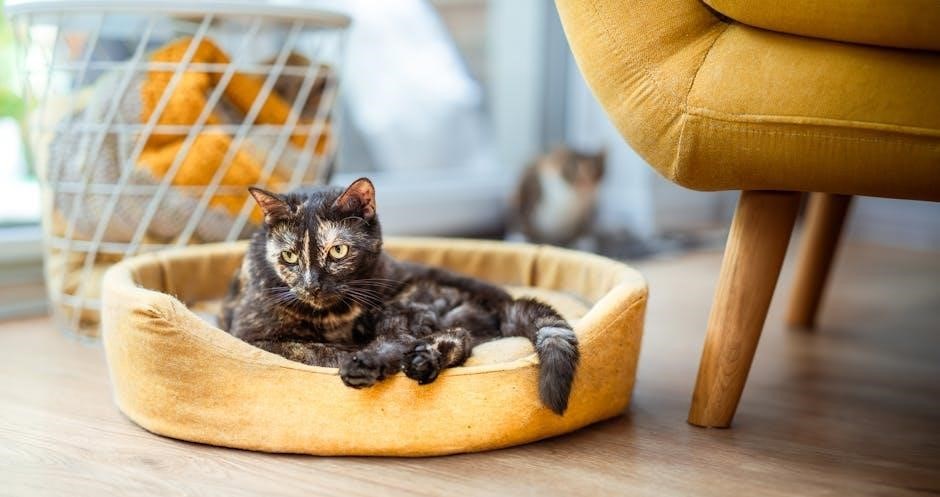
Cat house plans PDF often detail door placement to minimize weather exposure․ Many designs recommend off-center doors and short tunnels constructed with fabric flaps and Velcro, as seen in available building plans․
These features block wind and rain while allowing easy access․ Downloadable blueprints emphasize orienting the door away from prevailing winds․ Proper door design, detailed in PDF guides, is crucial for maintaining a warm, dry shelter for outdoor cats․
Safety Precautions During Construction
Cat house plans PDF resources should always be paired with diligent safety practices․ When utilizing tools, prioritize wearing safety glasses and gloves, as detailed in construction guides․ Avoid leaving exposed nails or sharp edges that could injure cats․
Downloadable blueprints don’t replace common sense; ensure a stable structure․ Pressure-treated lumber requires careful handling․ Prioritize a hazard-free environment during and after building, referencing PDF instructions for secure assembly․
Using Tools Safely
Cat house plans PDF often involve saws, drills, and fasteners – prioritize safety! Always read and understand the tool’s manual before operation․ Wear appropriate safety gear, including eye protection and work gloves, as highlighted in many PDF guides․
Ensure a stable work surface and maintain focus․ When cutting wood, secure it firmly․ Disconnect power tools when changing bits or making adjustments․ Following these precautions, detailed in downloadable plans, minimizes risks during construction․
Avoiding Hazards for Cats
Cat house plans PDF should guide you to build a safe haven․ Eliminate sharp edges or protruding nails within the shelter’s interior – these pose injury risks․ Avoid using treated lumber inside, as it can be toxic if chewed․
Ensure the entrance isn’t too large, preventing predator access․ Downloadable plans often emphasize secure construction․ Prioritize non-toxic materials and a draft-free design, creating a secure and healthy environment for feral or outdoor cats․
Maintaining Your Cat House
Cat house plans PDF resources often overlook upkeep! Regular inspection is crucial; check for damage after storms or harsh weather․ Download a checklist to aid this process․ Cleaning and disinfecting annually removes parasites and keeps the shelter hygienic․

Address leaks or drafts promptly to maintain warmth and dryness․ Replace worn insulation as needed․ A well-maintained shelter, built using free plans, ensures continued safety and comfort for outdoor cats․
Cleaning and Disinfecting

Cat house plans PDF guides should emphasize hygiene! Annual cleaning is vital․ Remove all bedding and debris․ Use a pet-safe disinfectant – diluted bleach solutions (1:32) are effective, but rinse thoroughly․ Ensure complete drying before replacing bedding to prevent mold․
This process eliminates parasites and odors, maintaining a healthy environment for feral cats․ Consistent cleaning, even with free plans, demonstrates responsible shelter management and promotes feline well-being․
Regular Inspections for Damage
Cat house plans PDF resources should highlight the importance of routine checks․ Inspect shelters monthly for structural issues – leaks, drafts, or compromised insulation․ Examine wood for rot, and ensure roofing remains secure․
Address any damage promptly to maintain a safe, weatherproof haven for feral cats․ Early detection, even with free plans, prevents minor problems from escalating into costly repairs, ensuring long-term shelter integrity and feline comfort․
Cost-Effective Cat House Building
Cat house plans PDF often emphasize budget-friendly construction․ Utilizing repurposed materials – pallets, scrap wood, or donated insulation – significantly reduces expenses․ Explore free plans designed for minimal material usage․
Prioritize essential features like weatherproofing over aesthetics․ Simple box designs, detailed in many PDF guides, are remarkably effective and inexpensive to build, providing vital shelter for outdoor cats without breaking the bank․
Budget-Friendly Material Options

Cat house plans PDF frequently suggest economical materials․ Plywood scraps, readily available 2×4 lumber, and even repurposed plastic bins form sturdy structures․ Polystyrene foam, a cost-effective insulator, is often recommended in free plans․
Consider utilizing discarded cardboard boxes layered for insulation, though weatherproofing is crucial․ Many PDF guides highlight how to source materials affordably, ensuring warm, safe shelter for feral cats without significant financial investment․
Repurposing Materials for Cat Shelters
Cat house plans PDF often champion resourceful building! Old plastic storage totes become waterproof shells, while discarded wooden pallets provide framing material․ Styrofoam coolers offer excellent insulation when incorporated into designs;
Many free plans detail how to transform unwanted items into cozy cat shelters․ Repurposing reduces costs and environmental impact, offering feral cats a safe haven․ Explore PDF guides for creative, budget-friendly solutions!
Customization Options for Cat Houses
Cat house plans PDF serve as a starting point for personalization! Add decorative elements like painted designs or small porches․ Consider incorporating multiple entrances for colony cats, enhancing accessibility․
Free plans can be adapted to suit your aesthetic and the cats’ preferences․ Insulate further for colder climates or add a raised floor for dryness․ Explore PDF guides for inspiration and tailor the shelter to create a truly unique haven!
Adding Decorative Elements
Cat house plans PDF don’t limit you to purely functional designs! Personalize your creation with paint, stencils, or even small, cat-safe decorations․ Consider a weatherproof sealant to protect your artistic additions․
While aesthetics are important, prioritize cat safety․ Avoid toxic paints or small parts that could be ingested․ Free plans offer a base; let your creativity flourish, transforming a simple shelter into a charming home!
Personalizing the Shelter for Your Cats
Cat house plans PDF offer a fantastic starting point, but tailoring the shelter to your cats’ preferences elevates their comfort․ Consider their size when choosing plans and adjust dimensions accordingly․
Adding familiar scents – a used blanket or toy – can encourage acceptance․ Multiple entrances cater to shy cats․ Remember, a cozy, personalized space, built from free or budget-friendly plans, provides a secure haven!
Troubleshooting Common Building Issues
Cat house plans PDF are generally straightforward, but issues can arise․ Leaks are common; ensure thorough sealing with appropriate weatherproofing materials․ Drafts indicate insufficient insulation – add more polystyrene foam․
Structural problems? Double-check your cuts against the plan’s dimensions․ If wood warps, reinforce joints․ Addressing these promptly, using readily available materials, maintains a safe, dry shelter for feral cats․
Dealing with Leaks and Drafts
Leaks in your cat house, built from PDF plans, often stem from improper sealing around seams and roofing․ Apply generous sealant, prioritizing corners․ Drafts signal inadequate insulation; polystyrene foam sheets should fit snugly․
Inspect for gaps and fill them․ For persistent issues, consider an extra layer of insulation or a fabric flap over the entrance․ A dry, warm shelter is crucial for feral cats’ wellbeing!
Addressing Structural Problems
Structural issues in a cat house built using PDF plans often involve weakened wood or unstable framing․ Regularly inspect the 2×4 base and plywood for rot or damage․ Reinforce weak points with additional lumber and screws․
Ensure the roof remains securely attached, especially after inclement weather․ Prioritize a solid foundation; a compromised structure endangers the cats․ Prompt repairs, guided by your original plans, are essential for a safe shelter․
Community Cat Shelter Initiatives
Community efforts significantly benefit feral cats․ Sharing free cat house plans PDF resources with local organizations amplifies impact․ Supporting programs that provide shelter, food, and medical care is crucial․
Collaborate with TNR (Trap-Neuter-Return) groups to identify areas needing shelters․ Building workshops, utilizing readily available plans, empower volunteers․ Collective action ensures more cats have safe havens, especially during harsh weather․
Supporting Local Feral Cat Programs
Donating constructed cat shelters, built from free cat house plans PDF, directly aids local programs․ Financial contributions support vital TNR efforts, veterinary care, and feeding initiatives for feral cats․
Volunteer time assisting with shelter building workshops or distributing shelters is invaluable․ Raising awareness about responsible cat care and the benefits of TNR strengthens community support․ Every contribution improves the lives of these vulnerable animals․
Sharing Plans and Resources
Disseminate readily available free cat house plans PDF widely! Share links to websites offering unrestricted blueprints via social media, email, and community groups․ Encourage others to build shelters for feral cats in need․
Organize local workshops demonstrating construction techniques using these plans․ Collaborate with animal shelters and rescue organizations to distribute shelters and information․ Collective effort maximizes impact and expands access to vital resources․