Utah Driver’s Manual in Spanish: A Comprehensive Guide
Navigating Utah roads requires understanding traffic laws; this Spanish manual provides essential information for obtaining a permit and safe driving practices.
This Spanish-language Utah Driver’s Manual is a vital resource for individuals preparing to obtain a Utah driver’s license or learner’s permit. It translates all crucial information, ensuring accessibility for Spanish-speaking residents. The manual covers everything from traffic laws and road signs to safe driving techniques and emergency procedures.
Understanding these guidelines is paramount for responsible driving and road safety. It details requirements for permits, licensing processes, and vehicle registration. This comprehensive guide aims to empower drivers with the knowledge needed to navigate Utah’s roadways confidently and legally, promoting a safer environment for everyone.
Obtaining a Learner’s Permit (Permiso de Aprendizaje)
Securing a learner’s permit in Utah is the first step towards independent driving. Applicants must successfully pass a vision test, a knowledge test covering Utah traffic laws, and meet specific age requirements. The Spanish Driver’s Manual is crucial for preparing for the knowledge exam, as it’s available in your preferred language.
Remember to gather all required documentation before visiting a Utah Driver License Division office. This includes proof of identity, residency, and social security number. With a learner’s permit, supervised driving practice is essential before attempting the final driving test.
Age Requirements for a Learner’s Permit
Utah establishes specific age criteria for obtaining a learner’s permit, varying based on driver education completion. Individuals 16 and 17 years old can apply after successfully completing an approved driver education course. Those who haven’t completed the course must wait until they are 18 years old to be eligible.
Regardless of course completion, all applicants must be at least 15 years old to begin the permit process. Understanding these age requirements is vital before gathering documents and preparing for the knowledge and vision tests. The Spanish manual aids preparation, ensuring comprehension of Utah’s driving regulations.
Required Documents for Permit Application
Applying for a Utah learner’s permit necessitates presenting specific documentation to verify identity, residency, and legal presence. Acceptable forms of identification include a certified birth certificate, valid passport, or permanent resident card. Proof of Social Security number is also mandatory.
Residency verification can be established through utility bills, school records, or official mail. The Spanish driver’s manual emphasizes the importance of having original documents, not copies, during the application process. Ensuring all required paperwork is complete streamlines the process and avoids delays.
Understanding Utah Traffic Laws (Leyes de Tráfico de Utah)
Utah’s traffic regulations, detailed in the Spanish driver’s manual, prioritize safety and order on roadways. These laws cover a broad spectrum, from right-of-way rules at intersections to proper lane usage and signaling procedures. Drivers must comprehend regulations regarding seatbelt use, child restraint systems, and prohibitions against distracted or impaired driving.
The manual stresses adherence to posted speed limits and understanding the implications of various traffic signs and signals. Familiarity with these laws is crucial not only for passing the driving test but also for responsible and lawful operation of a vehicle.
Speed Limits (Límites de Velocidad)
Utah’s speed limits, clearly outlined in the Spanish driver’s manual, vary depending on the road type and location. Generally, rural interstates allow for speeds up to 75 mph, while urban interstates are capped at 65 mph. On conventional highways, the maximum speed is typically 65 mph, and in residential or business districts, it drops to 25-30 mph.
Drivers must always observe posted speed limit signs, as these supersede general limits. The manual emphasizes adjusting speed based on weather conditions and traffic density, prioritizing safety above all else.
Right-of-Way Rules (Reglas de Paso)
Understanding right-of-way is crucial for safe driving, as detailed in the Spanish Utah driver’s manual. Generally, vehicles entering a roadway from a private drive or alley must yield to pedestrians and traffic. At intersections without stop signs or signals, drivers should yield to vehicles approaching from the right.

Pedestrians always have the right-of-way in crosswalks. The manual stresses exercising caution and yielding even if a pedestrian is not in a marked crosswalk. Emergency vehicles with sirens and lights activated always have priority.
Road Signs and Signals (Señales y Semáforos)
The Utah driver’s manual, in Spanish, dedicates significant space to road signs and traffic signals. Drivers must recognize and understand the meaning of various signs – regulatory, warning, and guide signs – to navigate safely. Red traffic lights mandate a complete stop, while yellow signals indicate caution.
Flashing red lights are treated as stop signs, and flashing yellow lights signal reduced speed and caution. The manual emphasizes knowing the shapes and colors associated with different sign types for quick recognition and appropriate response on Utah roadways.
Common Regulatory Signs (Señales Regulatorias Comunes)
The Spanish Utah driver’s manual highlights crucial regulatory signs. These signs inform drivers of laws and regulations. Stop signs (Pare) require a complete halt before proceeding when safe. Speed limit signs (Límite de Velocidad) indicate the maximum legal speed. Yield signs (Ceda el Paso) mean drivers must give way to other traffic.

No parking signs (Prohibido Estacionar) restrict vehicle parking. Understanding these signs is vital for legal and safe driving within Utah, preventing fines and accidents. The manual provides clear illustrations and explanations for each common regulatory sign.
Warning Signs (Señales de Advertencia)
The Utah driver’s manual in Spanish emphasizes recognizing warning signs. These signs alert drivers to potential hazards ahead, requiring increased caution. Curve signs (Curva Peligrosa) indicate upcoming bends in the road. Pedestrian crossing signs (Cruce de Peatones) warn of areas where pedestrians may be present.
Animal crossing signs (Paso de Animales) signal areas with potential animal activity. Railroad crossing signs (Cruce de Tren) indicate proximity to railway tracks. Paying attention to these signs is crucial for preventing accidents and ensuring a safe driving experience in Utah.
Safe Driving Practices (Prácticas de Conducción Segura)
The Spanish Utah driver’s manual stresses the importance of maintaining a safe following distance, adjusting speed for weather conditions, and always wearing seatbelts (Cinturón de Seguridad). Regular vehicle maintenance is also highlighted as a key safety practice. Drivers are advised to avoid aggressive driving behaviors, such as speeding and tailgating.
Scanning the road ahead, checking mirrors frequently, and using turn signals correctly are fundamental skills emphasized in the manual. Prioritizing focus and minimizing distractions are vital for responsible driving and preventing collisions.
Defensive Driving Techniques (Técnicas de Conducción Defensiva)
The Utah manual, in Spanish, details defensive driving as anticipating potential hazards and reacting to avoid collisions. This includes being aware of other drivers’ actions, recognizing potential dangers like pedestrians or cyclists, and maintaining a “space cushion” around your vehicle (Espacio de Seguridad).
It emphasizes planning escape routes, avoiding distractions, and being prepared for unexpected events. The manual also advises drivers to yield the right-of-way even when they have it, to avoid confrontations and ensure safety. Proactive awareness is key.
Distracted Driving Laws (Leyes sobre Conducción Distraída)
Utah’s Spanish driver’s manual clearly outlines laws prohibiting distracted driving. Texting while driving is illegal for all ages, and handheld cell phone use is banned in school and construction zones. The manual stresses that any activity diverting attention – eating, adjusting the radio, or using GPS – can be dangerous.
It emphasizes that even hands-free devices can be distracting. Penalties for violations include fines and points on your driving record. Conducir distraído es peligroso – distracted driving is dangerous – and significantly increases crash risk.
The Utah Driving Test (El Examen de Conducción de Utah)
The Utah driver’s manual in Spanish details the driving test process. El examen de conducción assesses your ability to safely operate a vehicle and follow traffic laws. Expect to demonstrate skills like parallel parking, three-point turns, and obeying speed limits.
The examiner will evaluate your observation skills, lane changes, and response to traffic signals. The manual provides a checklist of required maneuvers and common mistakes to avoid. Preparation is key; practice with a licensed driver to build confidence and ensure success on your test.
What to Expect During the Driving Test
During the Utah driving test, be prepared for a comprehensive evaluation of your driving skills. The examiner will provide instructions in English or, potentially, with assistance using the Spanish driver’s manual. Expect to demonstrate proficiency in basic vehicle control, observation of traffic laws, and safe maneuvering.
Common test components include parallel parking, backing up, and navigating intersections. The examiner assesses your ability to react appropriately to various traffic scenarios. Maintain calm, follow instructions carefully, and demonstrate a commitment to safe driving practices for a successful outcome.
Common Mistakes to Avoid (Errores Comunes a Evitar)
When taking the Utah driving test, several common errors can lead to failure. Failing to check blind spots, improper lane changes, and inadequate observation of traffic signals are frequent mistakes. Additionally, exceeding speed limits, rolling stops, and poor parallel parking technique are critical errors.
Review the Spanish manual thoroughly to understand Utah’s traffic laws. Remember to signal consistently, maintain a safe following distance, and demonstrate confident, yet cautious, driving habits. Avoiding these common pitfalls significantly increases your chances of passing the exam.
Vehicle Registration and Insurance (Registro del Vehículo y Seguro)
Utah law requires all vehicles operated on public roads to be properly registered with the Utah Division of Motor Vehicles (DMV). Registration must be renewed annually, and fees vary based on vehicle type and weight. Proof of valid insurance is also mandatory at the time of registration and during any traffic stop.
The Spanish driver’s manual details the specific documentation needed for registration. Ensure your insurance policy meets Utah’s minimum liability coverage requirements. Failure to maintain current registration and insurance can result in fines and penalties.
DUI Laws in Utah (Leyes de Conducción Bajo los Efectos del Alcohol en Utah)
Utah has strict laws regarding driving under the influence (DUI) of alcohol or drugs. A blood alcohol concentration (BAC) of .05% or higher is considered illegal for drivers of all ages – a notably low threshold. The Spanish manual emphasizes the severe consequences of a DUI conviction, including fines, license suspension, and potential jail time.
Implied consent laws require drivers to submit to chemical testing if requested by law enforcement. Refusal can result in automatic license suspension. The manual provides information on Utah’s DUI penalties and resources for those struggling with substance abuse.
Emergency Procedures (Procedimientos de Emergencia)
The Utah Driver’s Manual (Spanish version) details crucial emergency procedures for drivers. It covers actions to take in situations like vehicle breakdowns, accidents, and inclement weather. Drivers are instructed to safely pull over, activate hazard lights, and warn other motorists. The manual stresses the importance of remaining calm and contacting emergency services – 911 – promptly.
Information is provided on exchanging information with other drivers involved in an accident and documenting the scene. It also outlines steps to take if encountering a medical emergency while driving, emphasizing safety for both the driver and those needing assistance.

Utah’s Graduated Driver Licensing System (Sistema de Licencias Graduadas de Utah)
The Spanish Utah Driver’s Manual thoroughly explains the state’s Graduated Driver Licensing (GDL) system. This system is designed for new drivers under 18, progressing through stages with increasing privileges. It begins with a learner’s permit, followed by a provisional license with restrictions – like nighttime driving and passenger limits.
The manual details the specific requirements for each stage, including supervised driving hours and age-related criteria. Successfully completing each phase leads to a full, unrestricted driver’s license, ensuring new drivers gain experience gradually and safely.
Motorcycle Licensing (Licencia de Motocicleta)
The Utah Driver’s Manual (Spanish version) dedicates a section to motorcycle licensing requirements. It outlines the specific knowledge and skills needed to operate a motorcycle safely on Utah roads. Applicants must pass a written knowledge test covering motorcycle-specific laws and safe riding techniques.
A skills test is also required, demonstrating proficiency in controlling the motorcycle and responding to various traffic situations. The manual emphasizes the importance of proper gear, including helmets, and provides guidance on motorcycle maintenance and hazard awareness. Successful completion of both tests earns a motorcycle license.
Commercial Driver’s License (CDL) Information (Información sobre la Licencia de Conductor Comercial)
The Spanish Utah Driver’s Manual provides detailed information regarding Commercial Driver’s Licenses (CDLs). It clarifies the different CDL classifications based on the type of vehicle operated – from combination vehicles to passenger buses. Applicants must meet specific age, medical, and driving record requirements.
The manual details the rigorous testing process, including written knowledge tests covering federal and state regulations, and comprehensive skills tests demonstrating vehicle control. It also highlights endorsements needed for transporting hazardous materials or operating specific vehicle types. Understanding these requirements is crucial for aspiring commercial drivers.
Resources for Spanish-Speaking Drivers (Recursos para Conductores de Habla Hispana)
Utah provides several resources to assist Spanish-speaking drivers. The official Utah Driver’s Manual is available in Spanish, offering comprehensive guidance on traffic laws and safe driving practices. Additionally, the Utah Department of Public Safety (DPS) website features translated materials and frequently asked questions.
Various community organizations and driving schools offer Spanish-language driver education courses. These courses help individuals prepare for the knowledge and skills tests required to obtain a Utah driver’s license. DPS also provides access to interpreters for those needing assistance during licensing processes, ensuring equitable access to vital information.
Frequently Asked Questions (Preguntas Frecuentes)
Is the Spanish version of the Utah Driver’s Manual officially recognized? Yes, it’s the official translated document for Spanish-speaking applicants. Can I take the written test in Spanish? Absolutely, testing is available in Spanish to accommodate diverse linguistic needs. Do I need to understand English to drive legally in Utah? No, proficiency in English isn’t required, but understanding traffic signs is crucial.
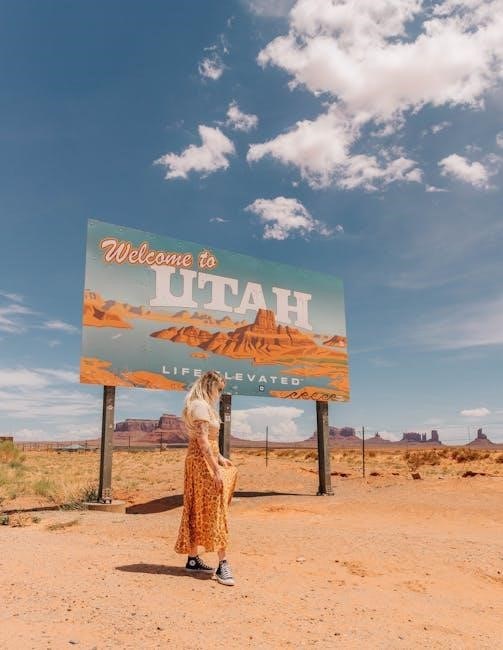
Where can I find Spanish-speaking assistance at the DPS? Many DPS locations offer interpreter services or have bilingual staff available. Are driver education courses offered in Spanish? Yes, several driving schools provide instruction in Spanish, aiding test preparation.
Updates and Changes to Utah Driving Laws (Actualizaciones y Cambios en las Leyes de Conducción de Utah)
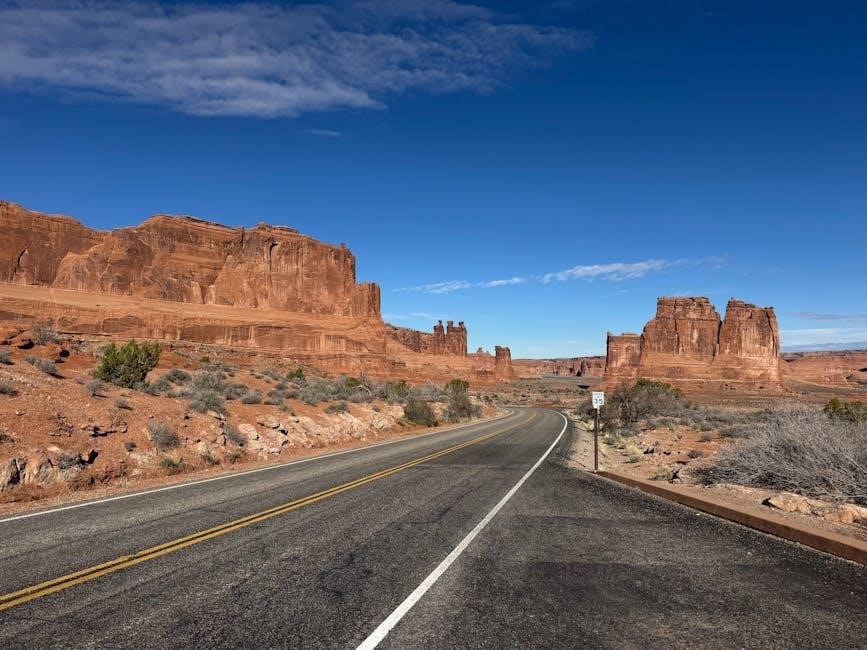
Staying informed about Utah’s evolving driving regulations is vital for all drivers, especially those using the Spanish manual. The Utah Department of Public Safety (DPS) regularly updates laws concerning distracted driving, DUI penalties, and vehicle safety standards. These changes are reflected in the latest version of the manual, available online and at DPS offices.
Drivers should periodically review the manual, even after obtaining a license, to ensure compliance. Significant updates are often announced on the DPS website and through official social media channels. Familiarizing yourself with these changes promotes road safety and avoids potential legal issues.